Why Sustainable Textile Development Matters Today
Growing Consumer Awareness
Consumers today are more informed than ever. Many people now consider the environmental impact of their purchases before buying new clothing. Ethical purchasing and conscious consumption have become important priorities, especially among shoppers who want their buying decisions to reflect their personal values.
The Fashion Industry's Environmental Impact
The textile industry uses large amounts of natural resources throughout the production process. Resource consumption, textile waste, and carbon emissions continue to be major environmental challenges. As awareness grows, consumers are paying closer attention to how clothing is made and how brands manage their environmental sustainability efforts.
Sustainability Has Become a Competitive Advantage
Sustainability is no longer just an added benefit. It has become an important factor that influences consumer behaviour. Brands that invest in responsible practices often build stronger credibility, earn greater consumer trust, and develop long-term loyalty. As sustainable fashion continues to grow, companies that embrace innovation are better positioned to meet changing customer expectations.
Innovations Driving Sustainable Textile Development
Eco-Friendly Fibre Technologies
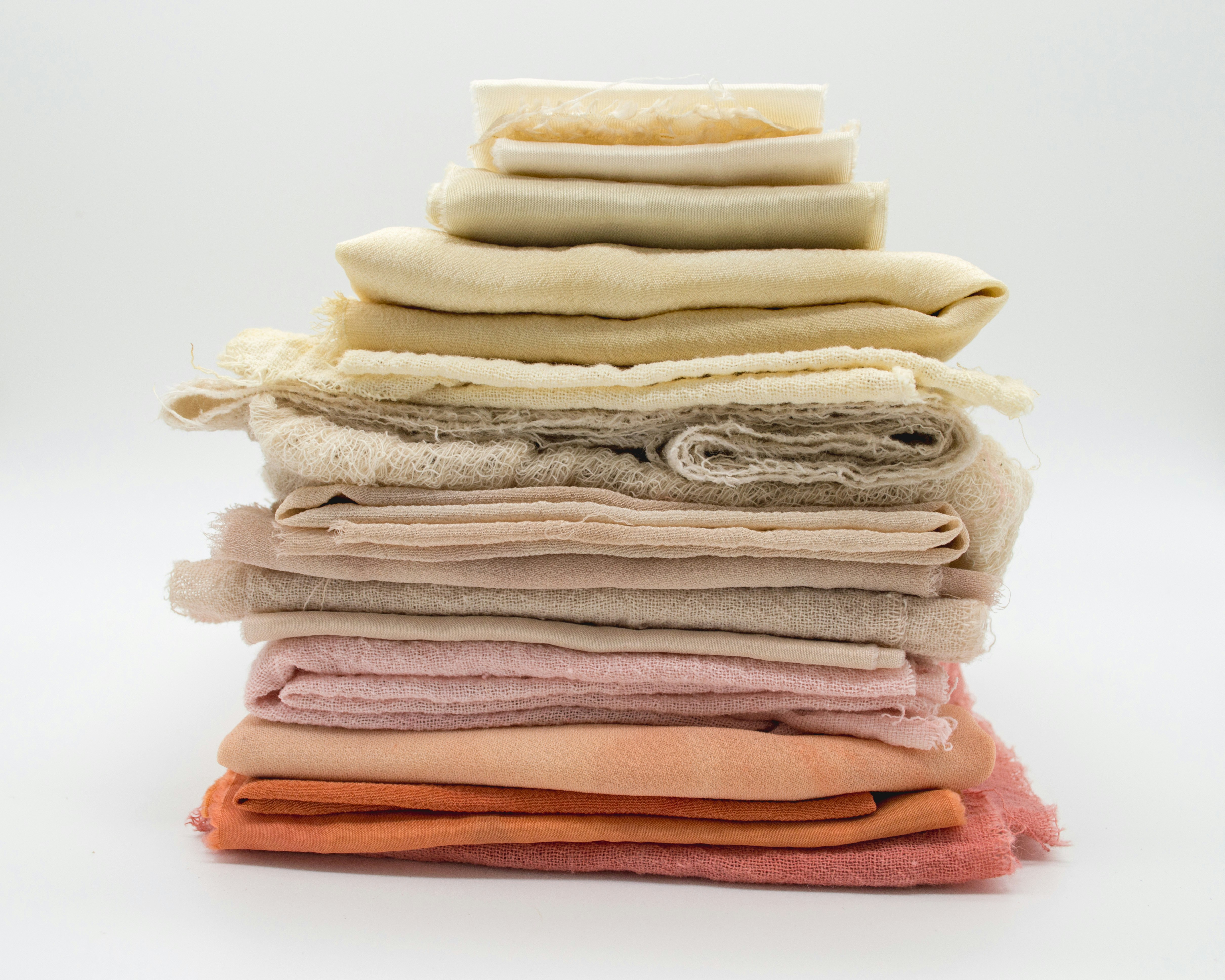
New fibre technologies are helping the fashion industry become more sustainable. Materials such as organic cotton, hemp fibres, bamboo textiles, and recycled polyester reduce the need for virgin resources while lowering the environmental impact of clothing production. These fibres also give consumers more responsible choices without sacrificing comfort or quality.
Responsible Manufacturing Processes
Sustainability does not end with raw materials. Many manufacturers are improving production by using less water, increasing energy efficiency, and reducing chemical use. These green manufacturing practices help lower waste and support a cleaner, more responsible textile industry.
Advanced Textile Engineering
Modern textile engineering is creating fabrics that last longer and perform better. Durable materials, lightweight fabrics, and performance textiles help clothing keep its shape, colour, and comfort after repeated use. A longer product lifespan also means fewer replacements, which supports more sustainable consumption.
Waste Reduction Strategies
Many fashion brands are investing in textile recycling and closed-loop manufacturing systems. Instead of sending used materials to landfill, these processes recover valuable fibres and turn them into new products. This approach reduces waste and makes better use of existing resources.
How Consumer Expectations Are Changing
Demand for Transparency
Today's shoppers want to know more about the products they buy. They look for clear information about material sourcing, supply chain transparency, and manufacturing practices before making a purchase. Brands that communicate openly often earn greater trust.
Quality Over Fast Fashion
Consumers are moving away from disposable fashion and focusing on long-lasting clothing. They value durability, timeless design, and better cost-per-wear because quality products offer more value over time while creating less waste.
Preference for Responsible Brands
People increasingly support companies that share their values. Ethical fashion, fair labour practices, environmental commitments, and responsible production all influence buying decisions. Consumers are rewarding brands that take sustainability seriously.
Sustainable Innovation Across Fashion Categories
Sustainability now influences every part of the fashion industry, including specialised apparel. Many shoppers compare modern bodywear collections by looking beyond appearance. They pay closer attention to fabric innovation, responsible sourcing, comfort, durability, and long-term sustainability before deciding which products offer the best value. This shift is encouraging fashion innovation throughout the entire product lifecycle and promoting more responsible consumption.
Technology Is Accelerating Sustainable Fashion
Smart Manufacturing Systems
Technology is helping fashion brands produce clothing more responsibly. Many manufacturers now use artificial intelligence, automation, and advanced quality control systems to improve efficiency and reduce waste. These smart manufacturing systems also help maintain consistent product quality while using fewer resources.
Digital Supply Chain Management
Digital tools are making supply chains more transparent and efficient. Brands can now improve product traceability, manage inventory more accurately, and optimise logistics from production to delivery. This gives consumers greater confidence and helps businesses reduce unnecessary waste throughout the supply chain.
Material Innovation
Researchers continue to develop new materials that are better for the environment. Bio-based fibres, plant-derived textiles, and regenerative materials offer sustainable alternatives to conventional fabrics. These innovations reduce dependence on non-renewable resources while supporting the future of responsible fashion.
Data-Driven Sustainability
Data is becoming an important part of sustainability planning. Many companies now use lifecycle assessment (LCA), carbon tracking, and environmental reporting to measure the impact of their products. These insights help brands identify opportunities to improve their environmental performance and make better long-term decisions.
How Brands Can Meet Future Consumer Expectations
Invest in Sustainable Research
Fashion brands need to keep investing in material innovation, product development, and better textile performance. Continuous research helps create fabrics that are more durable, comfortable, and environmentally responsible while meeting changing consumer needs.
Strengthen Transparency
Consumers want clear information before making a purchase. Detailed product labelling, sustainability reporting, and recognised textile certification standards help shoppers understand how products are made and whether they meet responsible production goals.
Focus on Product Longevity
Long-lasting clothing supports both consumers and the environment. Durable construction, repairable designs, and recyclable materials help extend a product's life and reduce unnecessary waste. Sustainable product design is becoming an important part of modern fashion.
Build Customer Trust Through Education
Many shoppers want to make responsible choices but need reliable information. Brands that provide sustainability education, explain their production methods, and communicate openly about their ESG goals and corporate responsibility can build stronger trust. Clear communication helps consumers make informed purchasing decisions and supports long-term confidence in sustainable fashion. For global fashion brands, combining transparency with consistent international customer service is equally important. Explore How Can Cross-Border Luxury Retail Experiences Improve Customer Satisfaction? to see how cross-border retail experiences strengthen customer trust and long-term loyalty.
The Future of Sustainable Textile Development
Circular Fashion Models
The future of fashion is becoming more circular. Brands are investing in recycling, reuse, and material recovery to keep valuable textiles in use for longer. These practices reduce waste and support a more sustainable approach to clothing production.
Global Industry Collaboration
No single company can transform the fashion industry alone. Brands, research institutions, manufacturers, and suppliers are working together to develop better materials, improve responsible sourcing, and share new ideas. These partnerships are helping sustainable innovation move forward more quickly.
Consumer-Led Innovation
Consumers now have a stronger influence on the fashion industry than ever before. Growing demand for sustainable products is changing purchasing behaviour and encouraging brands to become more transparent. As expectations rise, companies are being held more accountable for their environmental and social impact.
Continuous Textile Advancement
Textile research continues to introduce emerging fibres, smart materials, and better manufacturing methods. As green innovation evolves, sustainable development will remain at the centre of future textile production, helping brands create products that perform better while reducing their environmental footprint.
Building a More Sustainable Future for Fashion
Sustainable textile development is reshaping the global fashion industry through innovative materials, responsible manufacturing, transparent supply chains, and longer-lasting products. Consumers now expect clothing to combine sustainability with quality, performance, and ethical business practices. As textile innovation continues to evolve, brands that invest in responsible solutions will be better prepared to meet future consumer expectations and support a more sustainable fashion industry.
Frequently Asked Questions
What is sustainable textile development?
Sustainable textile development focuses on creating fabrics and clothing using environmentally responsible materials, efficient manufacturing processes, and ethical production practices that reduce environmental impact.
Why are consumers demanding more sustainable fashion?
Many shoppers want clothing that is better for the environment, lasts longer, and is produced through responsible sourcing and fair manufacturing practices.
Which materials are commonly used in sustainable textiles?
Popular sustainable materials include organic cotton, recycled polyester, hemp fibres, bamboo textiles, and other renewable or recycled fibres.
How does textile innovation reduce environmental impact?
Textile innovation helps reduce waste, lower water and energy use, improve recycling, and develop durable fabrics that extend the life of clothing.
Why is supply chain transparency important?
Transparency helps consumers understand where materials come from, how products are made, and whether brands follow responsible environmental and ethical standards.
How can consumers identify genuinely sustainable clothing?
Look for recognised certifications, clear product information, transparent sourcing details, responsible manufacturing practices, and durable, high-quality materials.
What trends will shape the future of sustainable textiles?
Circular fashion, smart materials, bio-based fibres, textile research, digital manufacturing, and continued green innovation are expected to shape the future of sustainable textiles.